






Popular Games — What Players Actually Keep Coming Back To
Popular games aren’t just trending — they’re proven. These are the titles players return to because they feel fair, play smoothly, and deliver consistent sessions over time. The games featured here have earned their spot through real-money play, not short-term hype.
They may not be the most extreme, but they’re the most reliable.


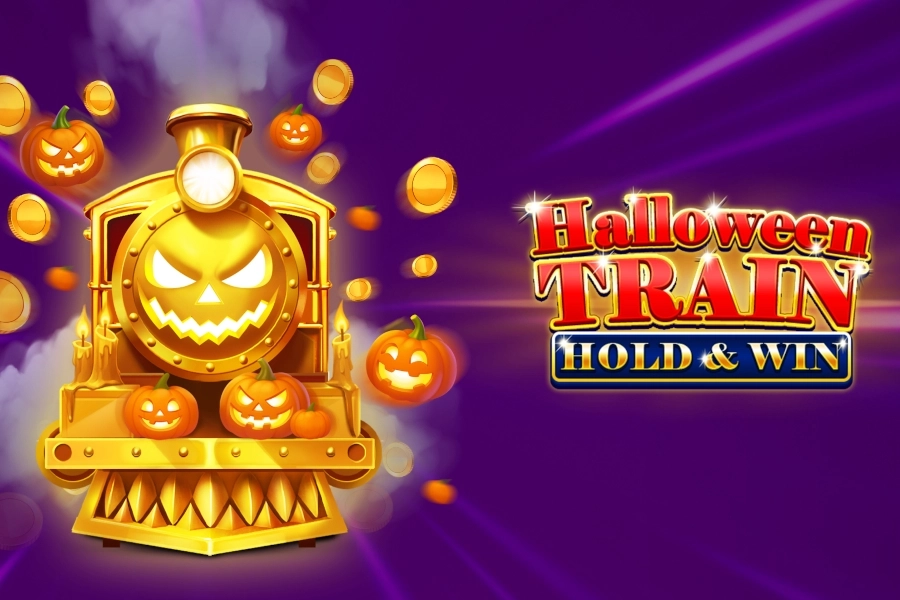
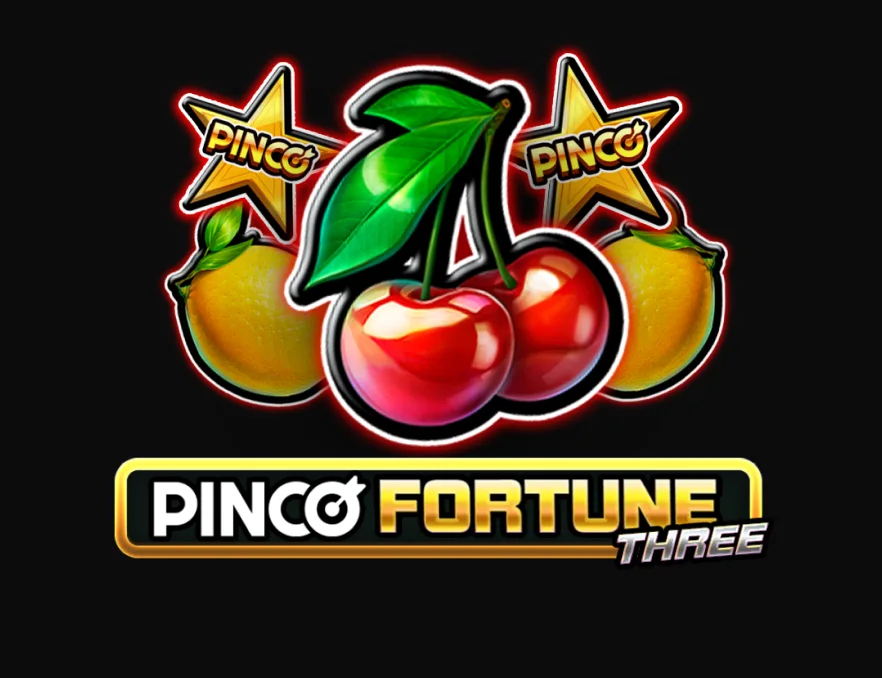
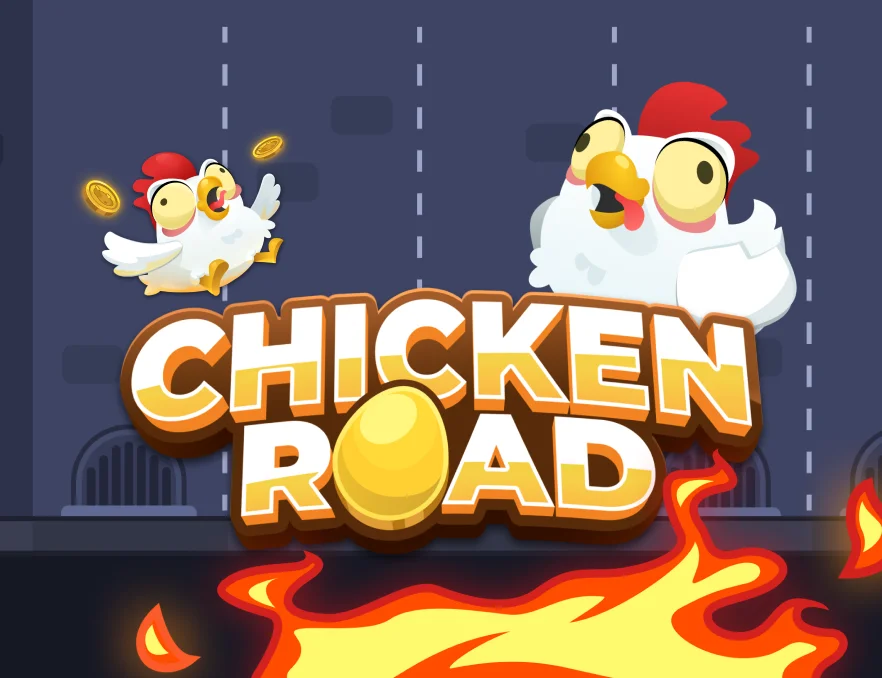

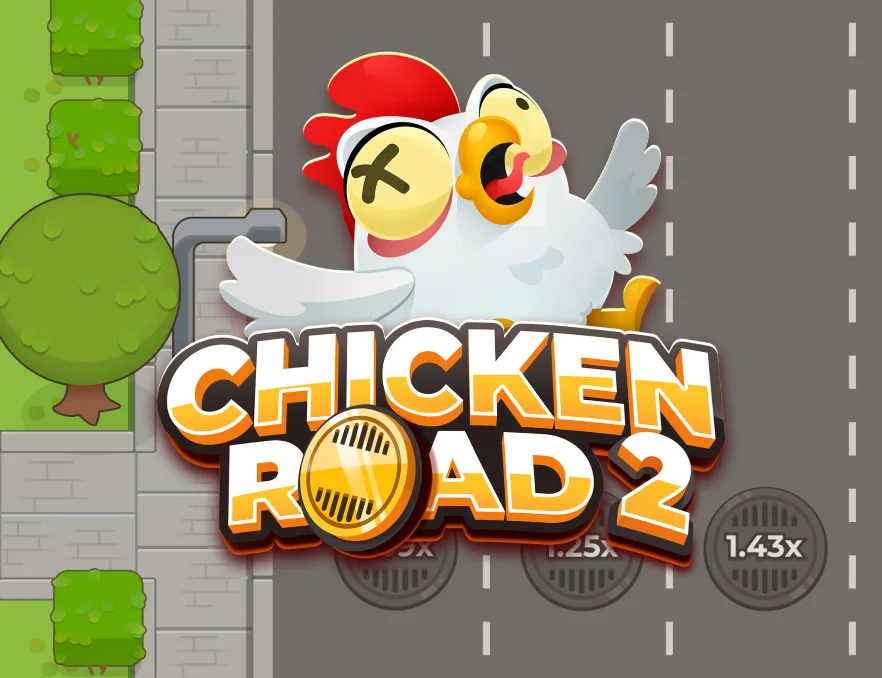

What Makes a Game Popular Among Real Players
The Popular games category reflects where the majority of real money action goes. These are the slots and instant games that players return to repeatedly — not because of marketing banners, but because the gameplay holds up over time. Popularity is earned through consistent payouts, understandable mechanics, and sessions that feel fair, even during losses.
From a player’s perspective, a popular game is one that doesn’t feel deceptive. You know what kind of volatility you’re getting, bonuses trigger often enough to stay interesting, and the balance doesn’t vanish without warning.
Why Players Gravitate Toward Popular Games
Games become popular when they strike a balance between risk and reward. Common traits include:
- Familiar mechanics that are easy to read
- RTP that feels competitive in real play
- Volatility that doesn’t punish casual betting
- Bonuses that deliver memorable wins, not just visuals
- Session flow that keeps players engaged
A popular game may not have the highest max win, but it consistently delivers playable sessions, which matters more for most bankrolls.
RTP in Popular Games: Trust Over Theory
Most popular slots operate around 96%–97% RTP. More importantly, that RTP feels reachable because payouts aren’t overly locked behind extreme bonus conditions.
Players stick with games where:
- Base-game wins slow balance drain
- Bonuses don’t feel impossible to reach
- RTP doesn’t rely entirely on one rare feature
Slots with poor real-money behavior don’t stay popular long, even if they launch with hype.
Volatility: The Sweet Spot for Mass Appeal
The majority of popular games sit in the medium volatility range. This volatility profile supports a wide range of players:
- Low-stakes players get longer sessions
- Mid-stakes players still see meaningful wins
- Cold streaks feel survivable
Highly volatile slots often spike briefly in popularity, then fade as bankrolls get punished. Games with manageable swings retain players far longer.
Hit Frequency and Session Comfort
Popular games tend to maintain a healthy hit frequency, usually around 25–30%. While many wins are small, they create rhythm:
- Fewer long dead-spin sequences
- More interaction during base play
- Less pressure to chase bonuses
This is a major reason players replay the same titles. A slot that pays something regularly feels less stressful, even if the average win is modest.
Bonus Features That Build Reputation
Popular games rarely rely on experimental mechanics. Instead, they refine proven features:
- Free spins with fixed or growing multipliers
- Sticky wilds that build tension across spins
- Simple retriggers that extend bonuses
- Clear win conditions players understand quickly
Bonuses in popular games don’t need massive ceilings. They need to land often and scale reasonably, turning ordinary sessions into memorable ones.
Max Win: Not Extreme, but Achievable
Many popular games advertise x3,000–x8,000 max wins. These numbers aren’t extreme by modern standards, but they’re achievable enough to keep players believing.
Example:
- x4,000 max win on €0.25 = €1,000
- Strong but realistic bonus wins: 150x–600x
Players tend to prefer games where 200x–300x wins happen occasionally, rather than chasing mythical x20,000 payouts that never arrive.
Base Game Matters More Than Players Admit
One reason certain games remain popular for years is strong base-game design. Even without bonuses, these games can produce:
- Solid premium symbol hits
- Effective wild substitutions
- Occasional 10x–30x wins
This keeps gameplay engaging and prevents sessions from feeling like endless waiting rooms for bonuses.
Popular Games vs Other Categories
Popular vs New
New games attract curiosity. Popular games earn loyalty. Their payout behavior is already understood, and players know what to expect when they load them.
Popular vs Best
Best games focus on mathematical efficiency. Popular games focus on overall enjoyment. Many titles overlap, but some popular games sacrifice small RTP edges for smoother gameplay.
Popular vs Megaways
Megaways titles can become popular, but only if their base game isn’t overly punishing. Many Megaways slots burn out quickly due to extreme volatility.
Formats Commonly Found in Popular Games
The Popular category usually includes:
- Established video slots with classic mechanics
- Select Megaways slots with reasonable bonus frequency
- Well-known crash games with simple multipliers
- Hybrid slots combining reels and multiplier features
What connects them is not innovation, but replay value.
Bankroll Strategy for Popular Games
Because volatility is moderate, players can apply conservative strategies:
- Bet 1% or less of bankroll per spin
- Extend sessions rather than chase quick wins
- Increase stakes only during profit phases
- Switch games after heavy cold streaks
Popular games reward steady play more than aggressive tactics.
Who Popular Games Are Best Suited For
This category fits:
- Casual and regular players
- Small to mid-stakes bankrolls
- Players who value session length
- Anyone avoiding extreme variance
High-risk jackpot hunters may find them too restrained, but for most players, that restraint is exactly the appeal.
Final Player Perspective
Popular games stay popular because they work. They pay often enough, punish less harshly, and offer bonuses that feel reachable. From a player’s seat, this category represents reliability over extremes — games you can load with confidence, knowing the mechanics won’t fight your bankroll from the first spin.
For players choosing a safe, familiar place to wager real money, Popular games remain the most comfortable and repeatable option.